






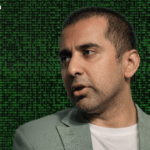


Ilya Lichtenstein, the man at the center of the 2016 Bitfinex theft, has been released from federal custody after serving approximately 14 months of a five-year sentence, according to reports.
He was sentenced in November 2024 for a money laundering conspiracy involving the theft of approximately 120,000 bitcoins, making it one of the largest crypto thefts in history.
The move has reignited debate about how prison trust and reform laws will affect high-stakes cybercrime cases.
Bitcoin hacker’s release is said to be due to the First Step Act
In public posts and interviews, Lichtenstein credits his early freedom to the First Step Act, a prison reform law signed by President Donald Trump in 2018.
According to reports, he was placed on home confinement after earning earned time credits and program eligibility as allowed by federal regulations.
He posted a short message on social media thanking President Trump and saying he would like to work in the cybersecurity field in the future.
Thanks to President Trump’s First Step Act, I was released from prison early.
I remain committed to making a positive impact on cybersecurity as soon as possible.Thank you to all our supporters.
To the haters, I look forward to proving you wrong.— Ilya Lichtenstein (@cipherstein) January 2, 2026
theft and judgment
According to a report from federal prosecutors, the Bitfinex breach involved approximately 120,000 Bitcoins, which at the time was worth approximately $71 million, and has since ballooned in value as the market has risen.
Mr. Lichtenstein pleaded guilty and was sentenced to five years in prison in U.S. District Court on November 14, 2024. The Justice Department said the laundering operation was complex and prosecutors recovered most of the stolen funds.
Details of the incident
Reports revealed that Lichtenstein and his then-partner Heather Morgan used tiered transfers, false identities and conversions between services to hide the source of their funds.
The couple was arrested in 2022 after investigators traced a series of private keys and other evidence to their accounts.
Morgan, known online as Razulcan, also pleaded guilty and received a shorter sentence. It was also reported that she was released early.
Image: McAfee
The case received widespread attention as investigators subsequently seized most of the assets associated with the hack.
Bitcoin recall, seizure, and public reaction
Law enforcement authorities have recovered more than 90% of the stolen Bitcoin, and the government has seized billions of dollars in crypto-related assets in what prosecutors are calling one of the largest recoveries in U.S. history, according to federal filings and news agencies.
The sale and storage of these assets continues to be part of our ongoing management procedures. Many legal experts and the public have put off the timing and concept of early release, arguing that cases involving billions of dollars in stolen property raise unusual questions about deterrence and fairness.
Featured image from Unsplash, chart from TradingView
editing process for is focused on providing thoroughly researched, accurate, and unbiased content. We adhere to strict sourcing standards, and each page is carefully reviewed by our team of top technology experts and experienced editors. This process ensures the integrity, relevance, and value of your content to your readers.